
How to Protect Your Electrical System from Florida Storms
Protecting Your Electrical System from Florida Storms: Why It’s Critical for Property Owners
Florida’s captivating coastlines and vibrant cities—from Palm Harbor and Tampa to Largo, Saint Petersburg, and beyond—are regularly battered by powerful storms, hurricanes, and relentless lightning activity. These severe weather events threaten
residential and
commercial properties with sudden power surges, prolonged outages, flood-related hazards, and unpredictable grid fluctuations. Homeowners and business leaders across Pinellas, Hillsborough, and Pasco County face multi-million dollar losses each year due to storm-induced electrical damage, equipment failure, and costly repairs. Without proactive protection, a single lightning strike or surge event can destroy appliances, computers, HVACs, and even compromise an entire building’s safety system. That’s why preparing your electrical system is essential—safeguarding your investment, ensuring continuous operation, protecting family or staff, and preserving the long-term value of your Florida property. Get expert tips below from Buell Electric, Inc. on how to shield your system and enjoy peace of mind all season long.
Table of Contents
- How Florida Storms Impact Electrical Systems
- Major Electrical Risks: Surges, Lightning, Flooding, and More
- Whole Home Surge Protection: Your First Line of Defense
- Upgrades: Panel, Grounding, Bonding, and Storm Readiness
- Backup Power Options: Generators and Transfer Switches
- Inspection and Maintenance: Keys to Storm Resilience
- The Importance of a Licensed Florida Electrician
- Frequently Asked Questions (FAQ)
- Conclusion and Next Steps
How Florida Storms Impact Electrical Systems
Florida’s subtropical climate brings an annual onslaught of thunderstorms, tropical storms, and hurricanes. These storms unleash heavy rains, potent winds, and some of the highest lightning strike rates in the nation. When lightning strikes near a home or business in Palm Harbor, Tampa, Clearwater, or any Gulf Coast community, the resulting surge can infiltrate power lines, telecommunications systems, and even ground-level utilities. Hurricanes cause widespread outages, voltage fluctuations, and downed power lines, making electrical systems highly vulnerable. Prolonged moisture, salt air, and temperature extremes further exacerbate corrosion and component stress, increasing the likelihood of short circuits and equipment failure during storm events.
Major Electrical Risks: Surges, Lightning, Flooding, and More
| Risk Type | Common Causes | Typical Damage |
|---|---|---|
| Power Surges | Lightning strikes, grid switching, restored power after outage | Appliance burnout, data loss, HVAC and system failure |
| Lightning Strikes | Direct strike or nearby strike travels through wiring | Fire, irreversible component damage, safety compromise |
| Flooding | Storm runoff, coastal surge, heavy rainfall | Short circuits, panel corrosion, mold growth, fire hazard |
| Grid Instability | Downed lines, transformer failure, planned rolling blackouts | Brownouts, irregular voltage, electronic failure |
Storm season brings a unique combination of electrical threats. Power surges, even if not caused by a direct lightning hit, can enter the building through utility lines. Standing water and high humidity contribute to the breakdown of insulation, rust, and arcing within panels and outlets. A single event can result in thousands of dollars in repairs and loss of essential business operations or vital home services.
Whole Home Surge Protection: Your First Line of Defense
For Florida property owners, installing a whole home surge protector is the most effective way to guard electronics, appliances, and critical systems against voltage spikes. Unlike basic power strips, whole home units intercept surges at the main electrical panel, blocking dangerous voltages before they reach delicate wiring and devices throughout your building. Surge protection devices (SPDs) come in Type 1 (meter-based) and Type 2 (panel-based) levels, offering layered defense against lightning, utility surges, and internally-generated spikes.
| Protection Solution | Strengths | Best Use Cases |
|---|---|---|
| Power Strips/Outlet Protectors | Convenient for small electronics, limited defense | Computers, AV equipment, office desks |
| Whole Home Surge Protector (Type 2) | Comprehensive, blocks surges at panel, protects all circuits | Homes, retail spaces, offices, industrial |
| Service Entrance Surge Protector (Type 1) | Intercepts external surges at meter/service mast | High risk properties, layered protection strategy |
For storm-prone regions like Palm Harbor, Tampa, and Clearwater, professionals recommend professional-grade Type 1 and Type 2 devices working together for maximum protection. Only certified electricians such as Buell Electric, Inc. should install these devices to ensure optimal results and code compliance. Surge protectors must also be inspected regularly and replaced as needed to maintain peak performance throughout Florida’s storm season.
Upgrades: Panel, Grounding, Bonding, and Storm Readiness
Older or undersized
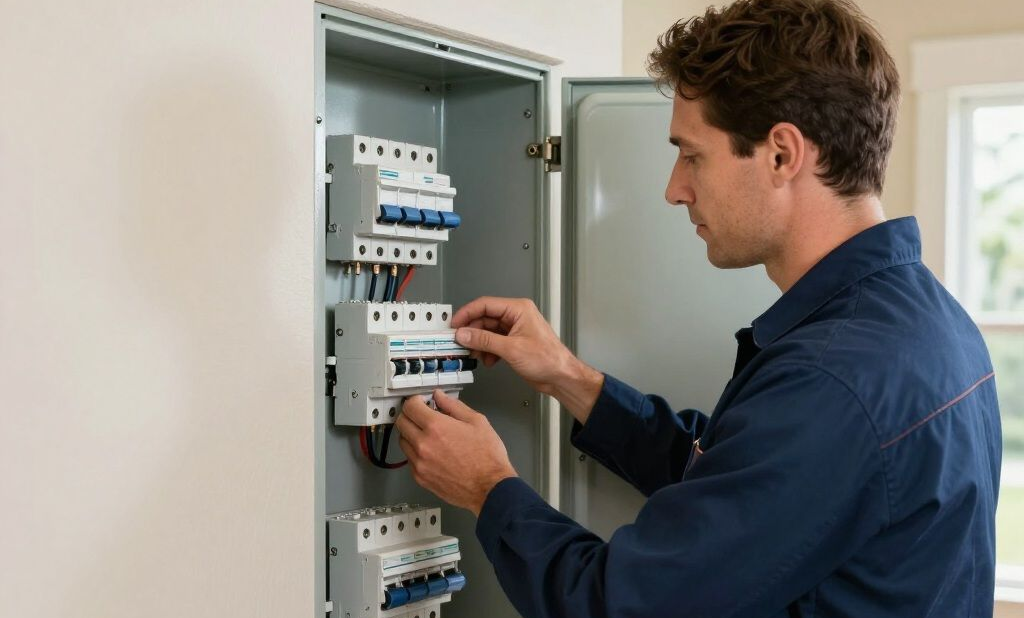
electrical panels are a major vulnerability during storm events. An outdated panel may lack modern circuit breakers, advanced surge protection, and fail-safe disconnects—a recipe for disaster during Florida’s extreme weather. Upgrading to a robust, modern panel helps manage increased electrical loads and provides a stable backbone for your surge protection, generator, and emergency safety systems.
- Electrical Panel Upgrade: Reduces fire risk, accommodates backup power, integrates new safety devices.
- Code-Compliant Grounding: Proper grounding is critical for redirecting dangerous surges safely into the earth, minimizing risk to people and property.
- Bonding Connections: All metal systems (plumbing, HVAC, data cables) must be bonded correctly to eliminate “touch voltage” and reduce arc risks during storms.
Neglecting grounding or bonding often leads to catastrophic damage or injury, especially in flood-prone coastal regions such as Clearwater Beach, Belleair Beach, Crystal Beach, and Safety Harbor.
Backup Power Options: Generators and Transfer Switches
Power interruptions are common during Florida’s hurricane season. Investing in a backup power system provides continuity of operations, preserves refrigerated items, and keeps vital systems running during prolonged outages. Property owners can choose from:
- Portable Generators: Affordable and flexible for short term, manual restoration of select circuits.
- Standby Generators: Automatically restore full household or business power, fueled by natural gas or propane.
- Transfer Switches: Essential for safe generator integration, preventing dangerous backfeed into utility lines.
| Backup Solution | Suitability | Estimated Coverage |
|---|---|---|
| Portable Generator | Short outages, temporary use | Essentials (fridge, lights, sump pump, select outlets) |
| Standby Generator | Automatic full coverage for storms | Whole property, critical business operations |
| Manual Transfer Switch | Safe connection for portable units | Preselected circuits |
| Automatic Transfer Switch | Required for standby/alarm systems | Entire panel or priority circuits |
Inspection and Maintenance: Keys to Storm Resilience
Routine inspection and preventive maintenance are non-negotiable for safe, storm-resilient electrical systems in Pinellas, Hillsborough, Pasco, and all Florida service areas. Best practices include:
- Annual Professional Inspection: Certified electrician reviews panels, outlets, surge devices, and all system components for wear, corrosion, or compromised insulation.
- Storm Season Readiness Check: Inspect and test surge protectors, transfer switches, and backup batteries ahead of hurricane season.
- Flood Response: After any water incursion, arrange for a full inspection of all electrical systems (including hidden wiring in basements or crawlspaces) before restoring power.
- Scheduled Maintenance: Clean and tighten all electrical connections, test bonding integrity, and confirm generator readiness twice per year.
Proactive service minimizes the risk of fire, equipment failure, and business interruption after storms—call Buell Electric, Inc. for a full storm prep checkup today.
The Importance of a Licensed Florida Electrician
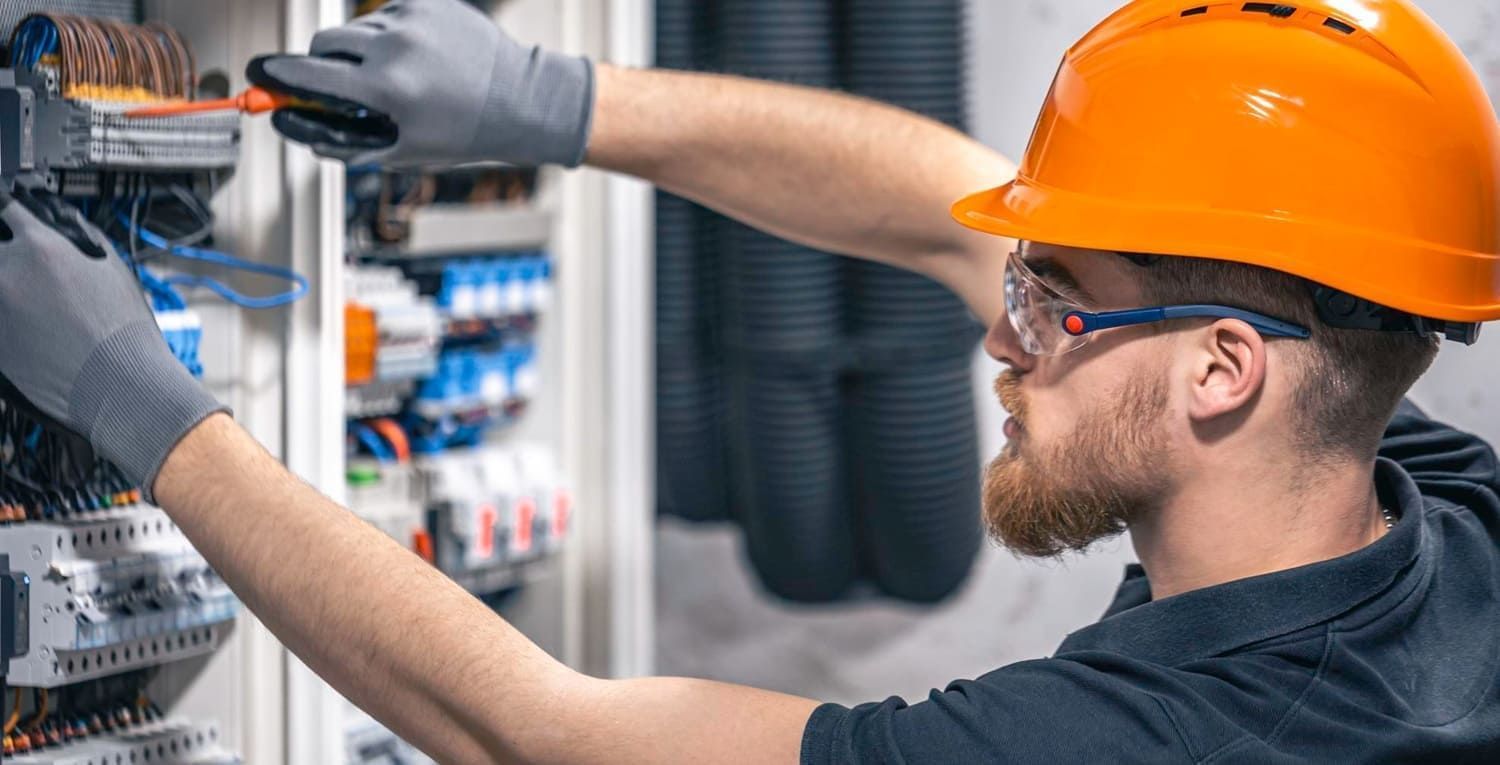
Storm-related electrical work is not a DIY project. Only licensed and insured electricians with local Florida experience have the knowledge to inspect, repair, and upgrade your system for code compliance and optimal safety.
Hiring professionals like Buell Electric, Inc. ensures:
- Correct installation of surge protection and backup power for Palm Harbor, Tampa, Clearwater, and all service areas.
- Documentation for insurance, warranty, and local permitting requirements.
- Expert troubleshooting and emergency restoration after a major storm event.
Do not gamble with online tutorials or unlicensed contractors—your safety and property value depend on proper electrical practices.
Frequently Asked Questions (FAQ)
Are power strips enough to protect my home from surges?
Power strips only protect devices directly plugged into them. They do not stop large surges entering through your main panel or other circuits. Only whole home surge protectors offer comprehensive defense.
How often should surge protectors be replaced?
Surge protectors should be tested before every storm season and replaced every 3 to 5 years, or immediately after a major surge/failure event.
Do portable generators need professional installation?
Portable generators can be used safely but must be connected through a transfer switch. Improper setup may endanger lives and violate code.
What are the signs of storm-related electrical damage?
Look for burnt smells, tripping breakers, scorched outlets, or unexplained device outages after a storm. If you suspect even minor damage, immediately contact a licensed electrician.
Will insurance cover storm electrical damage?
Many policies cover storm-related electrical loss, but claims often require proof of professional installation and maintenance records. Always document upgrades and repairs.
How often should I schedule electrical system inspections?
At minimum, once yearly for homes and twice yearly for businesses. After any storm or flood, get a prompt inspection before restoring power.
Can surge protectors stop lightning?
No system is lightning-proof. Surge protectors reduce damage risk, but direct strikes can overwhelm even the best devices. Grounding, bonding, and proper installation are also vital.
What’s the best backup option for extended power outages?
Standby generators with automatic transfer switches offer seamless and reliable backup during prolonged outages, especially in hurricane-prone zones.
How can I reduce my risk of storm-related fires?
Upgrade panels, use proper surge protection, schedule regular inspections, and never reset breakers after a flood or suspected electrical incident.
Where can I find a trusted electrician for storm preparation?
Contact Buell Electric, Inc., serving homeowners and businesses in Palm Harbor, Pinellas County, Hillsborough County, Pasco County, and surrounding Florida service areas, for expert storm preparedness, upgrades, and inspections.
Conclusion and Next Steps
Florida’s powerful storms are an ever-present threat to your electrical system and overall property value. The most effective steps to shield your home or business include whole home surge protection, modern panel and grounding upgrades, reliable backup power solutions, and scheduling regular professional inspections. Never wait until storm season arrives; proactive protection safeguards your family, staff, and investment year-round. For expert electrical storm protection, fast upgrades, and complete peace of mind, contact
Buell Electric, Inc. today. Serving Palm Harbor, Tampa, Clearwater, Saint Petersburg, Largo, Port Richey, New Port Richey, and all surrounding Florida communities—get your
free estimate and elevate your property’s storm defense now.
Buell Electric's Blog